
Luxury Interior Design and the Power of Texture.
Why Adding Depth and Dimension Is so Important.
When people think about luxury interior design, they often think first of colour palettes, statement furniture or beautiful finishes. But one of the most important elements in creating a home that feels truly refined is texture.
Texture in interior design is what brings a room to life. It creates visual depth, adds warmth, softens hard lines and introduces contrast in a subtle, sophisticated way. In calm, tonal interiors especially, texture is often the difference between a space that feels flat and one that feels layered, elegant and considered.
From natural stone and timber to linen, boucle, brushed metals and handcrafted ceramics, thoughtful texture combinations help create interiors that feel timeless rather than trend led.
In this blog, we explore how texture works in luxury interior design, and how to use it to add depth and dimension throughout your home.
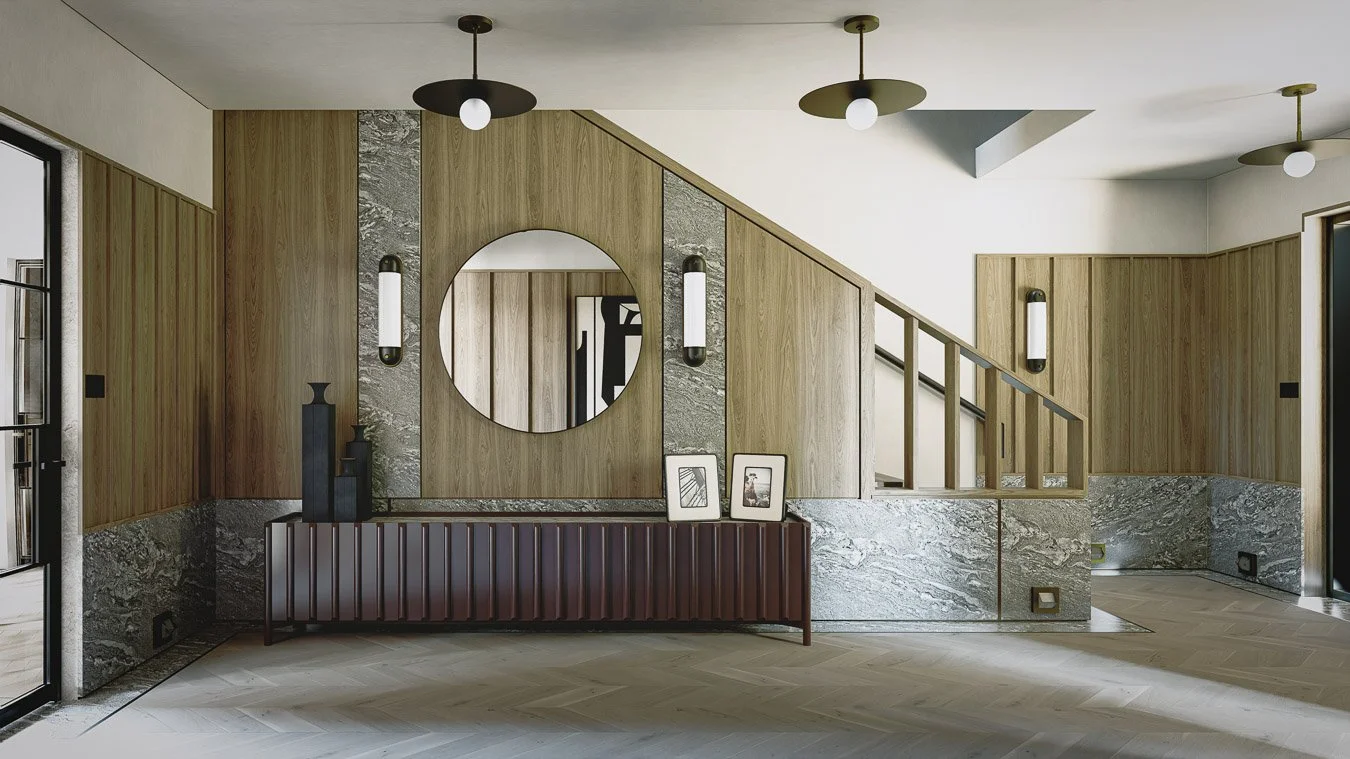
Why Texture Is Essential in Luxury Interior Design?
A beautifully designed interior is not just about how it looks; it is about how it feels.
Texture in interior design plays a key role in shaping that feeling. It helps create:
Visual depth in a room.
Warmth and softness within structured layouts.
Contrast without relying on bold colour.
A sense of craftsmanship and detail.
A more inviting, lived-in atmosphere.
In high-end interiors, texture is often layered quietly and intentionally. Rather than overwhelming a space, it supports a calm, refined aesthetic and allows materials to speak for themselves.
This is especially important in your home where longevity matters. A well-balanced palette of tactile materials can make an interior feel timeless, elegant and deeply personal..
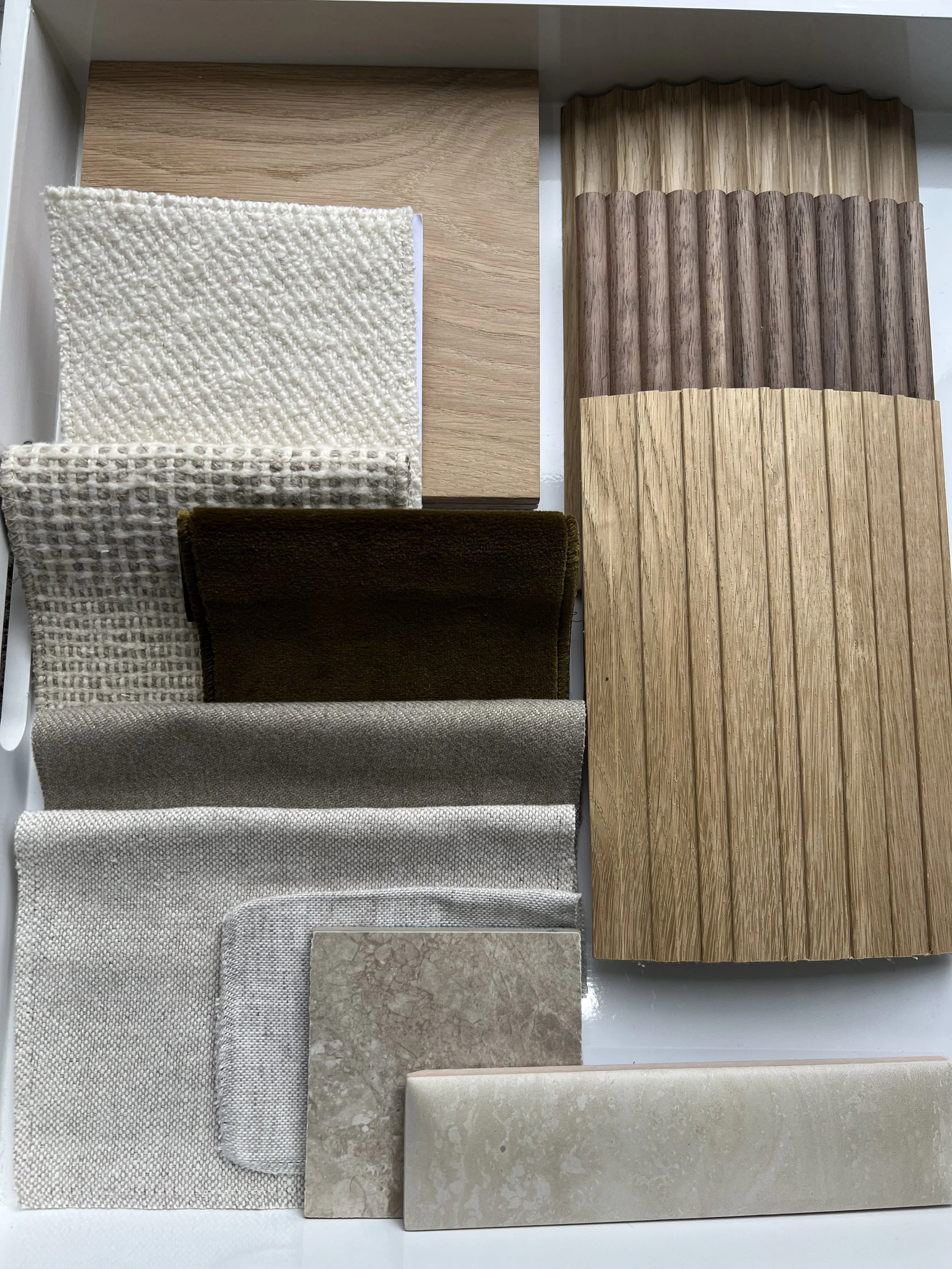
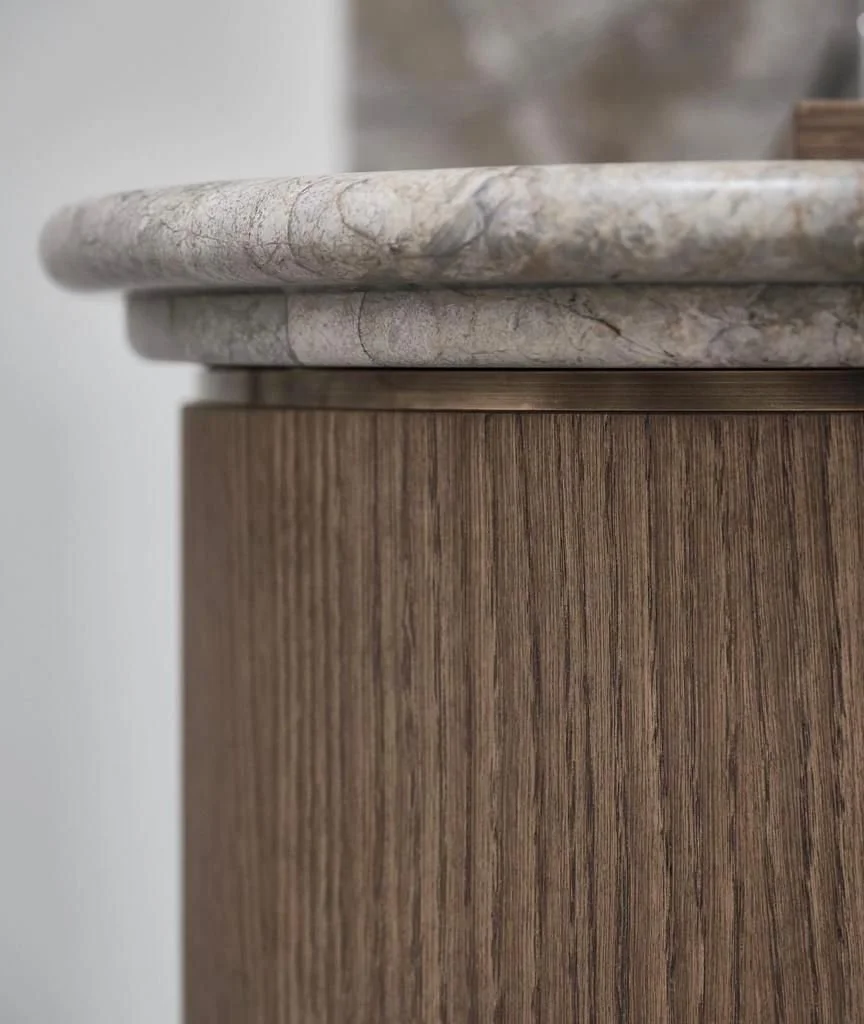
Image by Chapter Seven Design
The Types of Texture That Add Depth to High-End Interiors
A layered interior usually combines different types of texture to create balance. The goal is not to add “more”, it is to combine materials in a way that feels cohesive and thoughtful.
Natural materials bring warmth, authenticity and subtle variation. These are often the foundation of a calm luxury scheme
Oak, walnut or other timber finishes.
Marble, limestone, travertine or granite.
Linen, wool and cotton.
Rattan, cane or woven natural fibres.
Clay, ceramic and lime/plaster finishes.
These materials age beautifully and help create a grounded, timeless feel.
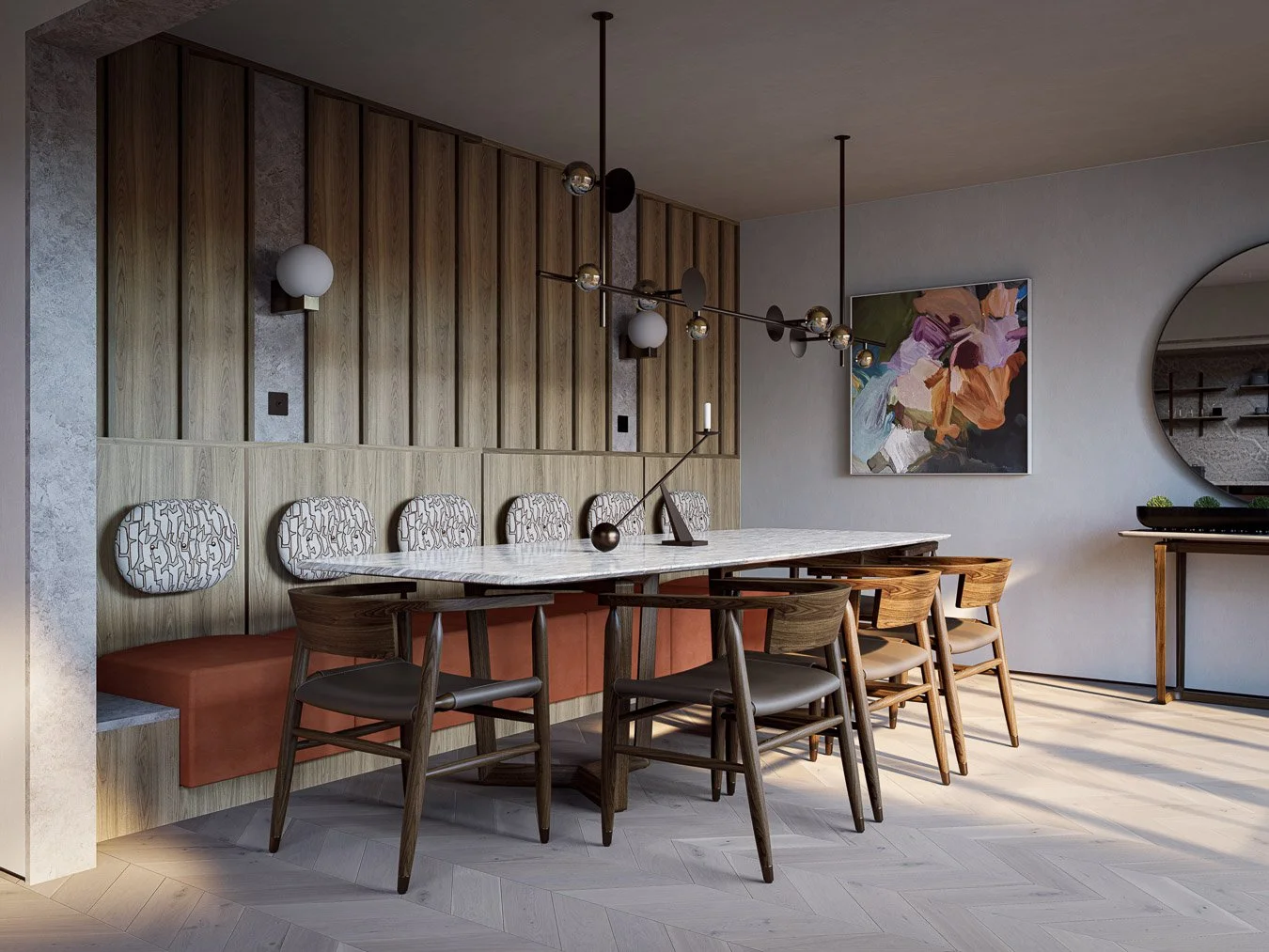
Soft tactile textures
Soft textures make a room feel comfortable, inviting and layered. They are especially important in spaces designed for rest or relaxation..
Boucle upholstery.
Velvet accents.
Woven fabrics.
Wool rugs.
Quilted throws and layered bedding.
Textured curtains in natural fabrics.
These tactile elements add depth while also enhancing comfort.
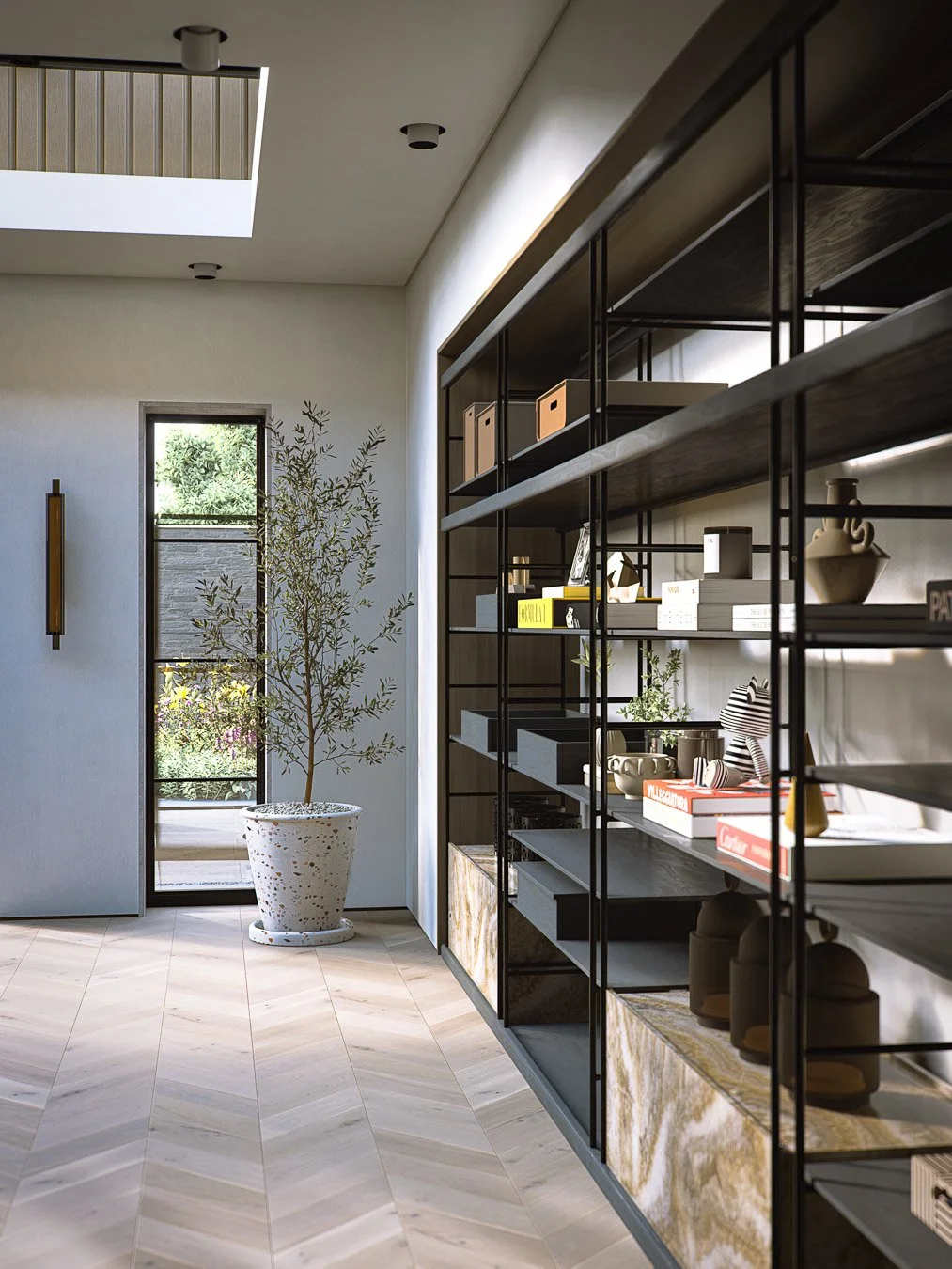
Hard and reflective textures
Luxury interiors also need contrast. If every surface is soft or matte, a scheme can lose definition.
Adding reflective or structured finishes helps create balance.
Brushed brass or bronze.
Blackened steel.
Glass and fluted glass.
Polished stone.
Lacquered or painted joinery details.
These harder textures bring precision and help highlight the softer elements around them.
At Chapter Seven Design, we help our clients make confident, informed choices that elevate their homes for years to come.
Explore our services, and visit our about page to learn more about our studio and approach.
As an accredited SBID member, Chapter Seven Design brings recognised expertise to every project. If you’re planning a renovation or looking to transform your home, contact Chapter Seven Design to begin your project, or explore our full range of Midlands interior design services to see how we can support you. We would be delighted to guide you through the next steps.
Written by Andy & Joe